

In recent months, the unusual term “Kolltadihydo” has shown up in many health-related internet searches. Individuals are asking, “can kolltadihydo be cured?” or “What are the symptoms of Kolltadihydo?” However, after thorough research and review of various medical resources, it is observable that Kolltadihydo is not a real disease or medical diagnosis. It has no scientific basis and is a fictional or made-up word that has spread across the internet as a result of misinformation, scams and phony websites.
In this article we will be explaining what Kolltadihydo is, why it is not a real medical diagnosis, how made-up terms such as Kolltadihydo are spread across internet users, and how you can protect yourself from health-related scams. Using medical resources is important.
What is Kolltadihydo?
The term Kolltadihydo is not located on any trusted medical database sources including but not limited to: WebMD, Mayo Clinic, WHO (World Health Organization), and CDC (Centers for Disease Control and Prevention). Medical professionals, researchers, and practicing doctors have never recognized the term or word. Overall, the word appears to be a made-up or invented word originated on a social media platform, fake health blog, or scam website in an attempt to trick users into clicking on unsafe links or purchasing unsafe health products.
- Thyroid disorders
- Autoimmune diseases
- Chronic fatigue syndrome (CFS)
- Nutrient deficiencies
However, none of these are related to a condition called Kolltadihydo, because no such illness exists in the medical world.
Where Did the Word Kolltadihydo Come From?
The term likely originated on the internet, especially on unverified health websites, random blogs, and online forums. These platforms often post untrue or confusing information without medical review.
In many cases, scammers invent fake names like “can kolltadihydo be cured” to:
- Attract people who are looking for medical help.
- Make them click on dangerous links.
- Sell fake supplements or “miracle cures.”
- Steal personal or financial information.
Because the internet allows anyone to post information, it’s very easy for fake health terms to spread fast. People often share them without checking their accuracy, which helps misinformation grow.
Key Facts About Kolltadihydo
| Aspect | Information |
| Is it a real disease? | No, Kolltadihydo is not a recognized medical condition. |
| Found in medical literature? | No, it’s not listed in WHO, WebMD, or Mayo Clinic sources. |
| Common symptoms mentioned online | Fatigue, body pain, digestive problems (not linked to this fake term). |
| Possible reason for its appearance | Internet misinformation, fake health sites, or scams. |
| Cure available? | No cure is needed since it’s not real. Focus on real diagnosis. |
| Best step for anyone concerned | Visit a certified doctor or use trusted websites like CDC or WHO. |
Why “Can Kolltadihydo Be Cured?” Is a Dangerous Question
The trick of the classic clickbait used by unscrupulous persons is the question of the possibility to cure Kolltadihydo. They generate fear and interest in a term unfamiliar and then offer a bogus answer. Such websites may read, Doctors do not want you to know this cure! or, Buy this herbal treatment now! – either is a red flag of a scam.
The fact is that can kolltadihydo be cured does not exist, and, therefore, it cannot be cured. However, the emotional control of the deceptive websites makes individuals think that they are experiencing something unexplored. This is the exploitation of the gullible users by the fraudsters.
Never forget – there are actual health conditions that medical society knows about. In case you can not find the word in reputed sources such as CDC, WHO, or WebMD, it is not real.
Fake Health Words Are a Big Problem
Health misinformation is a bigger online issue, which includes the use of fake medical words such as can kolltadihydo be cured. Such words are used by scammers and fraud websites because of a number of reasons:
- To earn money selling counterfeit pills or supplements.
- To gather personal information such as email addresses, phone numbers or payment information.
- To install malware or viruses on your phone or computer.
- To disseminate untrue medical ideas and deceive the population.
These malpractices are aimed at those individuals who are concerned, ill, or seeking hope. They employ emotional appeal, making promises of some miracle cures and web sites which appear professional.
How to Recognize Fake Health Information
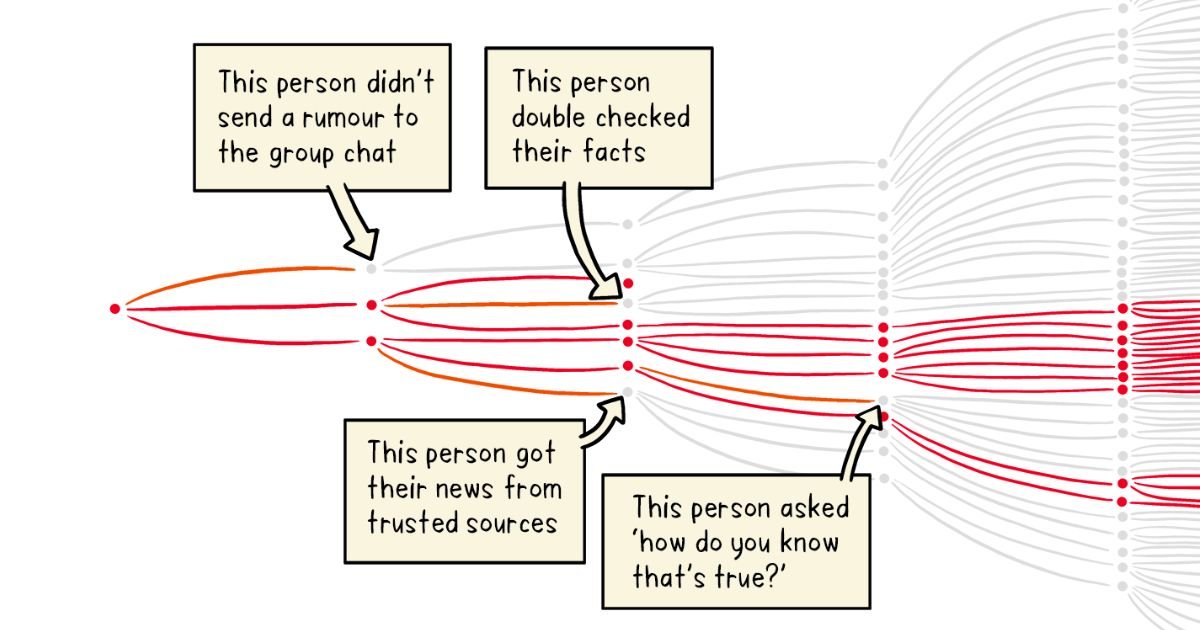
Here are some simple signs to help you spot fake or unsafe health information:
- The website name looks strange or doesn’t end in “.org” or “.gov”.
- The article promises a quick cure or miracle treatment.
- There are too many pop-up ads or requests for personal information.
- The writer’s name and medical qualifications are missing.
- You can’t find the condition on reliable medical sources.
If you notice any of these signs when reading about “can kolltadihydo be cured” or any other unknown term, leave the website immediately.
How to Stay Safe When Searching for Health Information
The internet can be helpful, but it’s also filled with dangerous misinformation. To stay safe, follow these steps:
- Use trusted sources only: Go to websites like Mayo Clinic, WebMD, CDC, or WHO for health details.
- Check the author’s background: Make sure the writer is a doctor or health professional.
- Avoid giving personal details: Never share your card number, passwords, or private info on unknown sites.
- Install antivirus software: This protects your device from viruses hidden in fake links.
- Talk to a doctor: If you have real health symptoms, only a certified doctor can diagnose and treat you correctly.
What To Do If You Already Clicked a Fake Link
If you searched for “Can Kolltadihydo be cured?” and accidentally clicked a bad website, here’s what to do:
- Exit the site immediately.
- Scan your device with updated antivirus software.
- Change your passwords.
- Check your bank accounts if you entered payment details.
- Report the site to Google or your web browser.
By acting quickly, you can prevent most damage from such scams.
The Importance of Verified Medical Information
In the digital age, it’s easy to get trapped by fake information. But reliable health data can only come from verified medical professionals and scientific research. Always check if the website mentions real organizations or links to medical journals.
Education and awareness are key. The more you understand how online health scams work, the safer you will be.
Final Thoughts: The Truth About Kolltadihydo
In conclusion, can kolltadihydo be cured is not a medical disorder. It is a derived term which is implemented online to deceive individuals in the falsehood of Pseudocural and pseudomedical illnesses and treatments. No need of a cure, since there is nothing to cure.
When you develop symptoms that you read under the name – Kolltadihydo, see a qualified healthcare provider. They are able to identify true medical conditions such as thyroid problems, chronic fatigue or auto immune diseases- all of which can be cured through real medical assistance.
The best defense against misinformation is to remain informed, suspicious and wary online. You should never trust anything you read, even something touching your health.