
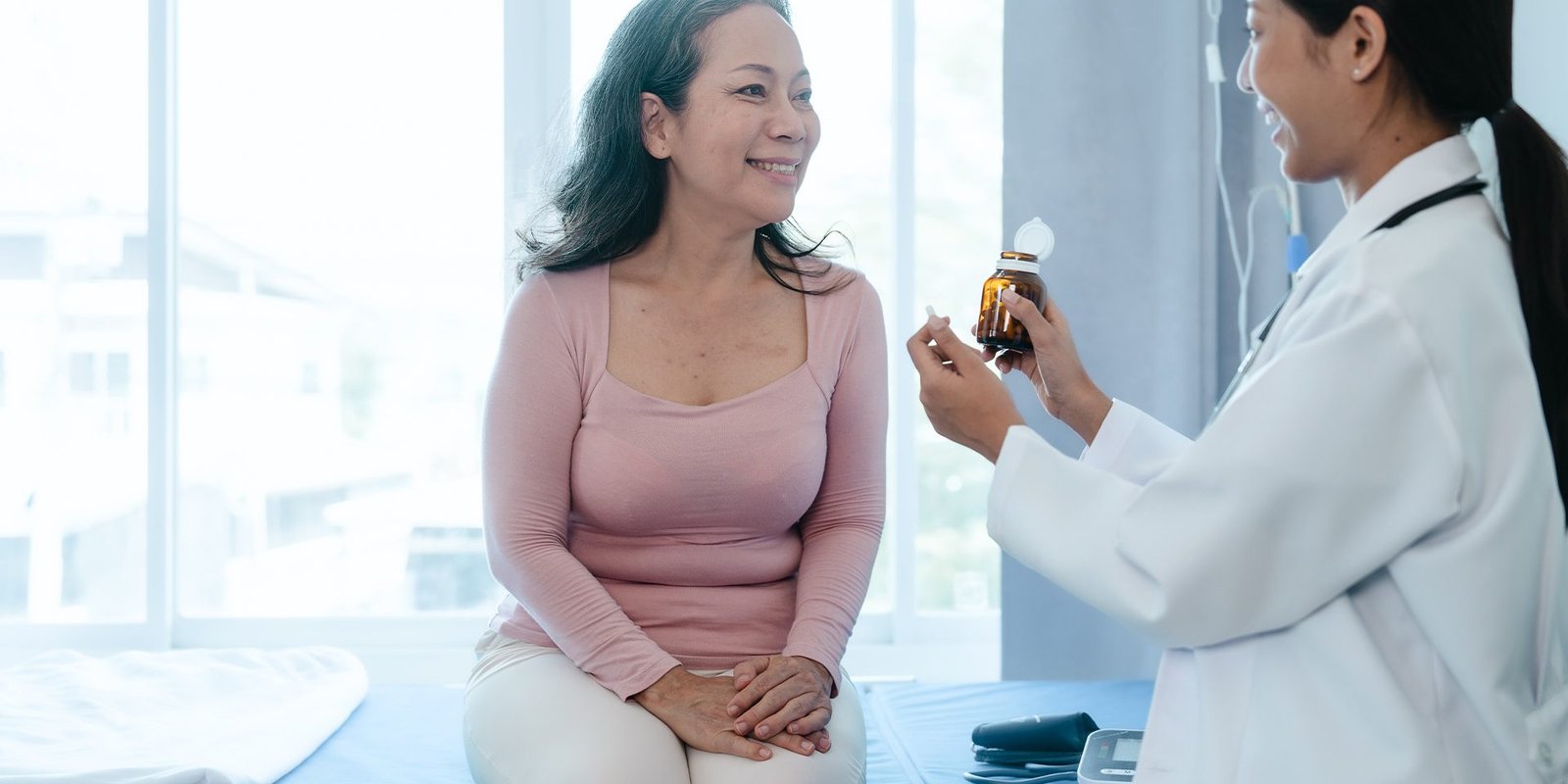
When conversations turn to women’s hormonal health, estrogen usually takes center stage. From menstrual cycles to menopause, it’s often viewed as the primary driver of energy, mood, and overall well-being. Yet behind the scenes, another hormone plays an equally powerful role in how women feel, look, and function day to day — human growth hormone, or HGH.
HGH supports energy production, metabolism, tissue repair, and emotional balance. As women age or move through hormonal transitions such as perimenopause and menopause, natural HGH levels gradually decline. This shift may happen quietly, but its effects can be felt in muscle tone, skin elasticity, sleep quality, mood, and resilience. For this reason, more women are exploring holistic approaches to hormone balance that go beyond estrogen alone — including medically supervised hgh for women.
How HGH Influences Women’s Hormonal Balance
HGH plays a foundational role in maintaining lean muscle mass and metabolic efficiency. As levels decline, women may notice their metabolism slowing down, making it easier to gain body fat and harder to maintain strength, even with regular exercise.
Skin health is another area deeply influenced by HGH. Growth hormone supports collagen production and tissue repair, helping maintain firmness, elasticity, and hydration. When HGH drops, signs of aging such as sagging skin, dryness, and fine lines often become more noticeable.
Sleep quality is closely tied to HGH as well. Growth hormone is released primarily during deep sleep, and adequate HGH levels support more restorative rest. Better sleep, in turn, helps regulate other hormones like estrogen and progesterone, creating a positive feedback loop for hormonal harmony.
Energy levels are also strongly affected. Women with declining HGH may feel persistent fatigue that doesn’t improve with rest. This fatigue often overlaps with mood changes, including irritability, low motivation, or emotional sensitivity. Balanced HGH supports mood stability and emotional resilience, helping women feel more grounded and confident in daily life.
Signs HGH Decline May Be Affecting Women
Because HGH levels decrease gradually, many women assume their symptoms are simply a natural part of aging or stress. Persistent low energy and fatigue, especially when combined with adequate sleep, can indicate a hormonal imbalance.
Changes in body composition are another key sign. Loss of muscle tone, increased body fat, or slower recovery from workouts often accompany declining growth hormone levels. Skin-related changes such as sagging, dryness, or increased wrinkles may also signal reduced HGH activity.
Sleep disturbances, including difficulty staying asleep or waking unrefreshed, are common as HGH declines. Mood-related symptoms such as irritability, mood swings, or a general sense of low motivation further suggest that hormonal support may be needed.
Lifestyle Habits to Naturally Support HGH
Before considering therapy, lifestyle optimization plays a crucial role in supporting natural HGH production. Consistent, high-quality sleep is perhaps the most important factor, as growth hormone is released during deep sleep cycles. Establishing regular sleep routines and minimizing nighttime disruptions can make a meaningful difference.
Strength training and moderate exercise stimulate HGH release and support lean muscle mass. Resistance training, in particular, is effective at encouraging growth hormone production while improving metabolic health.
Nutrition also matters. Balanced meals that include sufficient protein, healthy fats, and essential micronutrients provide the building blocks for hormone production and tissue repair. Managing stress is equally important, as chronically elevated cortisol can suppress HGH. Practices such as yoga, mindfulness, or breathing exercises can help restore hormonal balance.
Hydration supports metabolic and cellular health, helping tissues respond more effectively to hormonal signals. While these habits don’t replace declining hormone production entirely, they significantly enhance overall hormonal resilience.
When HGH Therapy May Help
In some cases, lifestyle adjustments alone aren’t enough to restore energy, vitality, or hormonal balance. When symptoms persist despite healthy routines, professional evaluation can help determine whether medically supervised HGH therapy is appropriate.
Therapy is designed to complement the body’s natural processes, not override them. Under medical guidance, hgh for women can support metabolism, improve recovery, enhance emotional balance, and promote physical vitality. The goal is not dramatic change, but steady, sustainable improvement in quality of life.
Key Benefits of HGH for Women
Women who receive proper HGH support often report improved energy, stamina, and recovery from both physical and mental demands. Lean muscle mass and healthy body composition become easier to maintain, supporting confidence and metabolic health.
Skin elasticity and overall skin health may improve as collagen production is supported. Mood stability increases, helping women feel more emotionally balanced and resilient under stress. When combined with other hormone-supportive strategies, HGH contributes to long-term vitality and wellbeing rather than short-term fixes.
Conclusion
Hormonal harmony in women goes far beyond estrogen alone. HGH plays a vital, often overlooked role in energy, metabolism, skin health, sleep, and emotional resilience. As awareness grows, more women are exploring comprehensive approaches that address the full hormonal picture. By combining healthy lifestyle habits with professional guidance, HGH support offers a path toward renewed vitality, balance, and long-term well-being at every stage of life.