
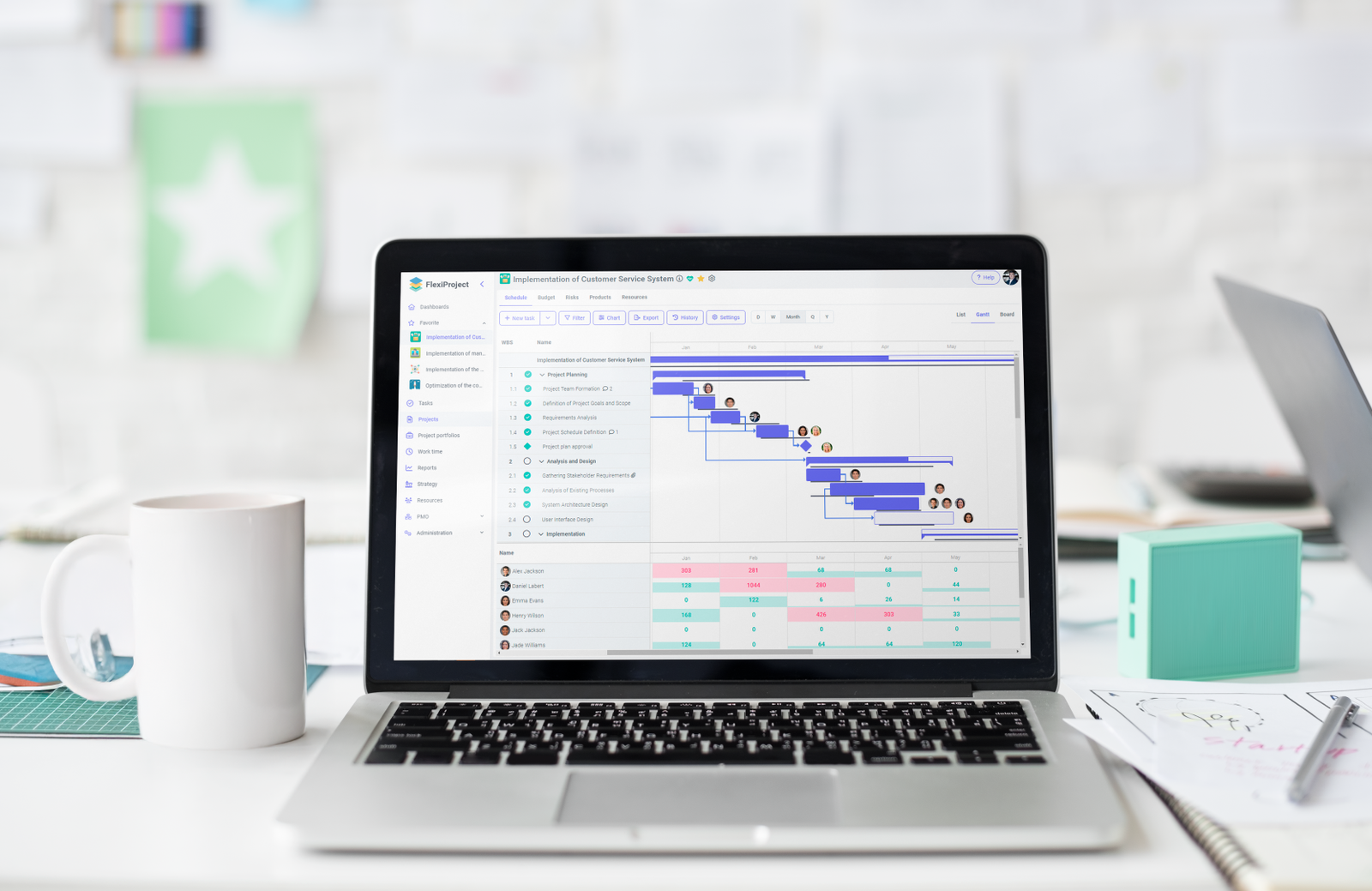
In today’s enterprise environment, effective project management is no longer confined to timelines and task lists. As digital transformation accelerates, organizations are moving toward building integrated ecosystems that prioritize transparency, accountability, and cross-functional synergy. The shift from fragmented tools to intelligent, centralized platforms marks a fundamental evolution in how modern enterprises manage their initiatives.
The Evolution from Isolated Systems to Unified Environments
The traditional approach of managing projects through disconnected spreadsheets, emails, and legacy software is becoming obsolete. In its place, modern organizations are implementing centralized Project Portfolio Management (PPM) platforms that consolidate operational workflows and establish a unified structure across departments. By replacing informal updates and static documentation with real-time, data-rich insights, companies unlock strategic visibility into their entire portfolio. This not only standardizes execution but enables decision-makers to respond proactively to emerging risks and opportunities.
Cross-Department Visibility as a Catalyst for Alignment
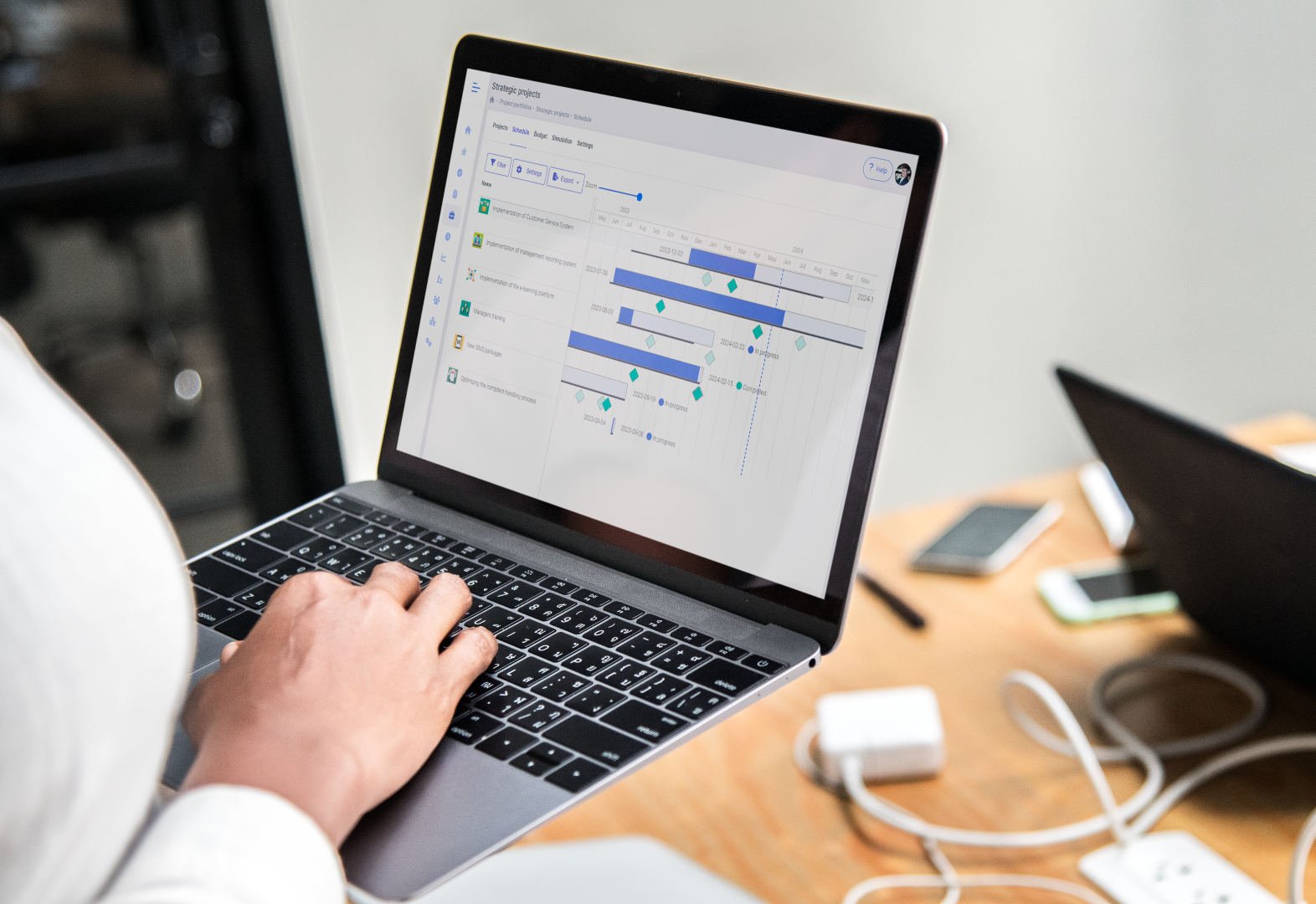
One of the persistent challenges in large organizations is the lack of alignment between departments. Finance, operations, IT, marketing, and HR often operate within their own frameworks, with limited coordination or shared metrics. Modern project management solutions address this fragmentation by enabling real-time collaboration across functions. When all stakeholders have access to the same live data, synchronized timelines, and performance indicators, organizational silos begin to dissolve. The result is improved transparency, streamlined communication, and more accurate resource allocation.
Digital Infrastructure as a Strategic Asset
Tools such as FlexiProject are no longer seen as operational add-ons but as strategic assets central to digital transformation. These platforms allow organizations to consolidate planning, risk tracking, resource allocation, and reporting within one intelligent environment. The integration of automated approval workflows, standardized templates, and visual planning tools such as Gantt charts enhances the consistency and scalability of project execution. It empowers leaders to identify project overlaps, resolve resource conflicts, and realign efforts with overarching business goals.

Driving Tangible Results through Process Standardization
The adoption of PPM software redefines efficiency at scale. By enforcing consistent project structures-including defined scopes, budget baselines, and milestone-driven schedules-organizations significantly reduce executional ambiguity. Real-time dashboards eliminate the dependency on manual reporting, while automated notifications ensure that deviations are flagged before they escalate. In this environment, business decisions are informed by facts rather than assumptions. The consolidation of project intelligence enables leadership to focus on outcomes rather than administration.
Gantt Charts as Intelligent Control Hubs
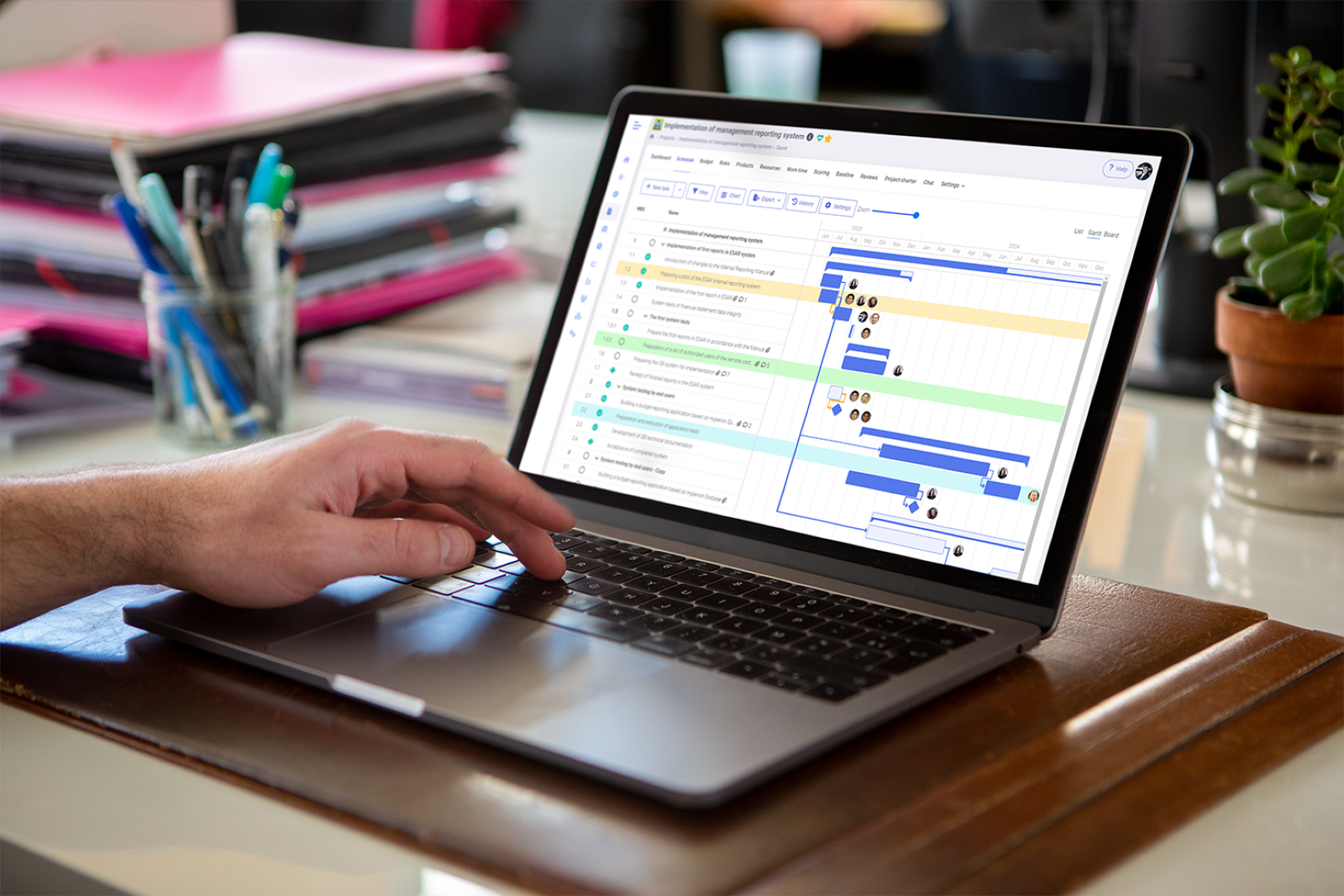
Far from being simple visual timelines, Gantt charts within tools like FlexiProject have evolved into dynamic project control centers. They offer visibility into interdependencies, critical paths, and resource availability, providing managers with the context necessary to make informed adjustments. When connected to risk matrices and budget tracking modules, Gantt charts become powerful instruments for predictive management, allowing teams to anticipate roadblocks and act decisively.
Cultural Shifts in Project Execution
While technology provides the framework, real transformation depends on cultural adaptation. Implementing modern project management tools requires a shift from reactive to proactive thinking. Organizations must embrace a mindset rooted in data-driven decisions, continuous learning, and shared accountability. Moving away from “my way” working styles to enterprise-wide methodologies ensures coherence and elevates operational maturity across the board.
Strategic Collaboration as a Competitive Differentiator
The convergence of digital tools and strategic governance is redefining the essence of collaboration. In a competitive landscape where execution speed and cross-functional cohesion determine success, enterprises that embrace integrated project management systems gain a measurable advantage. FlexiProject exemplifies this evolution, offering organizations a path toward operational clarity, sustainable scalability, and lasting strategic alignment.
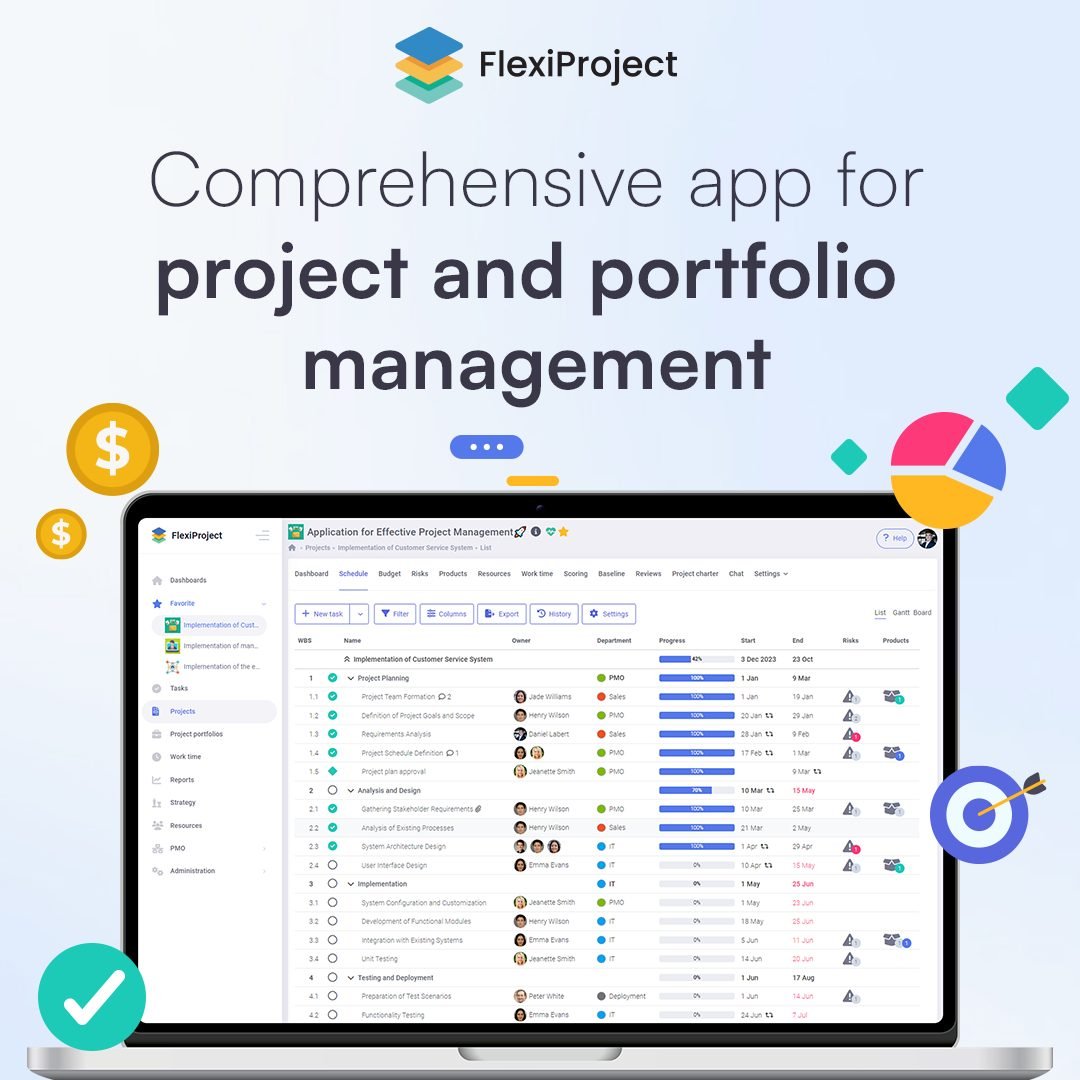
Learn more about modern platforms at FlexiProject and explore their ranking among the best project management software for driving cross-departmental productivity.